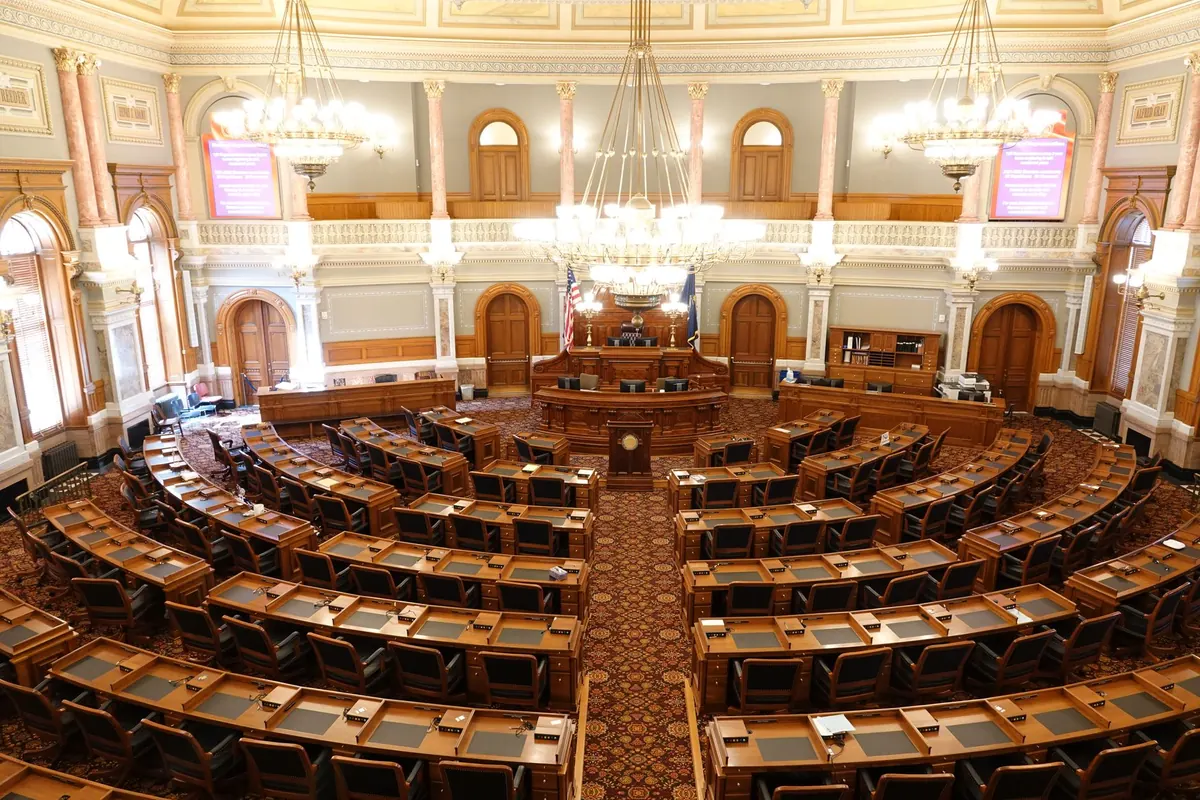
A council committee votes on a controversial housing plan. The alert goes out. For two hours, the story travels through group chats and social feeds. Then it disappears, replaced by the next siren, the next meeting, the next storm warning. The people most affected are left with a headline and a set of unanswered questions.
This is the trap of local news in an always-on cycle. Speed matters; it gets attention and can keep people safe. But speed alone does not explain what happened, who it affects, what comes next or whether the official version holds up. Those answers rarely arrive in a single alert. They come from follow-up reporting, patient checking and updates that make the original story more useful over time.
Local publishers should treat the follow-up not as cleanup duty but as core work. A second-day story, a clear explainer and a visible update can do more for trust than another push notification. The goal is not to be slower. It is to be useful for longer.
The Alert Is Not the Story
Breaking news is a public service. Readers need to know about road closures, school incidents, sudden council decisions and severe weather. A local publisher that waits too long to say anything can look absent from the life of its town.
But an alert is a door, not the room. The first version of a story is often built from what is known in the first hour: a statement, a phone call, a press release, a scene. That is enough to tell people something happened. It is rarely enough to tell them what it means.
The local advantage is not that a small newsroom can beat every national account to a push notification. It probably cannot, and it should not build its identity around trying. The advantage is presence: the reporter who knows the planning file, the editor who remembers the last vote, the photographer who can return to the same corner the next morning. Local publishers can stay with a story after the visitor traffic falls and the national feed moves on.
The first version of a story is a starting point, not a verdict.
That line should sit near every breaking-news desk. It changes the question from “Who had it first?” to “Who will still be explaining it next week?”
What a Good Follow-Up Actually Looks Like
Follow-up is not one thing. It can be a short update, a deeper interview, a document check or a practical guide. The format should match the question readers are asking. Several forms are worth building into regular practice:
- The open-questions story. List what is still unknown, who has been asked, what they said and when an answer is expected. This is honest reporting, not an admission of failure. It gives readers a reason to return.
- The explainer update. For recurring subjects such as budgets, planning rules, school policies or utility work, keep a standing explainer that can be refreshed as events move. Readers should not have to piece together the background from five separate stories.
- The accountability check. Compare what officials promised with what the documents show. Ask for the timeline, the cost estimate, the meeting minutes and the next decision date. Keep the tone plain and fair.
- The human follow-up. Talk to affected residents after the immediate shock has passed. The first day often produces reaction. The second day can produce understanding.
- The practical guide. Tell people where the meeting is, which form matters, what deadline applies and which office to call. On health, money or legal questions, add a clear note to seek professional advice rather than relying on a news summary.
- The correction or clarification. If the first story missed context, say so at the top and explain what changed. A visible correction is stronger than a quiet rewrite.
Not every story needs all six. A useful rule is simple: if the first story leaves a reader asking “what happens now?”, the follow-up already has a job.
Plan the Second Day Before You Publish
The worst time to plan a follow-up is after the first story has gone live and everyone has moved to the next fire. A little planning before publication makes the difference between a vague intention and a real second story.
- Write the open questions into the draft. Before filing, list three to five things you still need to know. They become the spine of the follow-up.
- Give one person ownership. “Someone should check that” is not a plan. Name the reporter or editor and set a return time: next morning, after the meeting, when the agency responds.
- Set triggers. Decide what event will prompt the next update: a vote, a filing deadline, a document release, a response from an official, a community meeting.
- Keep the paper trail in one place. Save the press release, the agenda, the contact numbers and the notes from the first calls. The follow-up is easier when the file is ready.
- Choose the format now. Will this be a fresh story, a short update, a Q&A, a timeline or a newsletter item? Deciding early prevents the follow-up from becoming an orphan.
- Put it in the calendar and the CMS. A reminder that no one sees is not a system. A note attached to the story is.
Small newsrooms can do this in minutes. The point is not a grand strategy document. It is a handoff that survives the end of the shift.
Make the Update Visible
An update buried at the bottom of an old story may as well be invisible. Readers need to see that the story has moved, and they need to understand how. Use plain labels: “Updated after the council vote” is better than a bare “Updated.” Add the time and date. If the headline has changed, explain why in one line.
A simple update note can do a lot:
Update: The vote has finished. We have added the result, the next steps for residents and the questions officials have not yet answered.
That sentence tells readers three useful things: something happened, the story has changed and there is still more to learn. It also gives the newsroom a clear place to add the next development.
For major stories, keep a short changelog at the top or near the main text. Note corrections clearly. Point readers from the original piece to the newer explainer, and from the explainer back to the latest development. In newsletters, use one line to say what changed rather than repeating the whole story. Visibility is not decoration; it is part of the service.
The Value Is Cumulative
A follow-up can feel like a cost because it rarely produces the dramatic spike of a first alert. But local news value is cumulative. The reader who finds a clear explainer on a school boundary change may return for the next meeting. The resident who sees a correction handled openly may trust the next report more. The advertiser who wants a credible local audience benefits from a newsroom that is known for staying with the story.
There is a commercial argument too, though it should not be oversold. Follow-ups create useful archives, stronger search results and material that can be updated rather than abandoned. They give newsletters and social accounts something to say after the first hour. They reduce the risk of being loudly wrong and then quietly absent.
Speed without follow-up can train readers to treat a publisher as an alert service: useful for a moment, easy to replace. Reporting that returns, checks and explains builds a habit. In a local market, habit is worth more than a fleeting scoop.
Start With One Story This Week
Pick one recent story that readers are still asking about. Do three things. First, write five open questions and send them to the right people. Second, call one official and one affected resident, then publish a short update with a timestamp and a clear note on what comes next. Third, put a fifteen-minute check on the calendar for next week so the story does not vanish.
Then repeat with another story. A follow-up culture is built through small, visible habits: the open-questions list, the named owner, the update note, the return call. None of it requires a bigger newsroom. It requires a decision that the story is not over when the alert stops buzzing.
The alert gets the attention. The follow-up earns the trust.
Photo: Auris Studio / Pexels