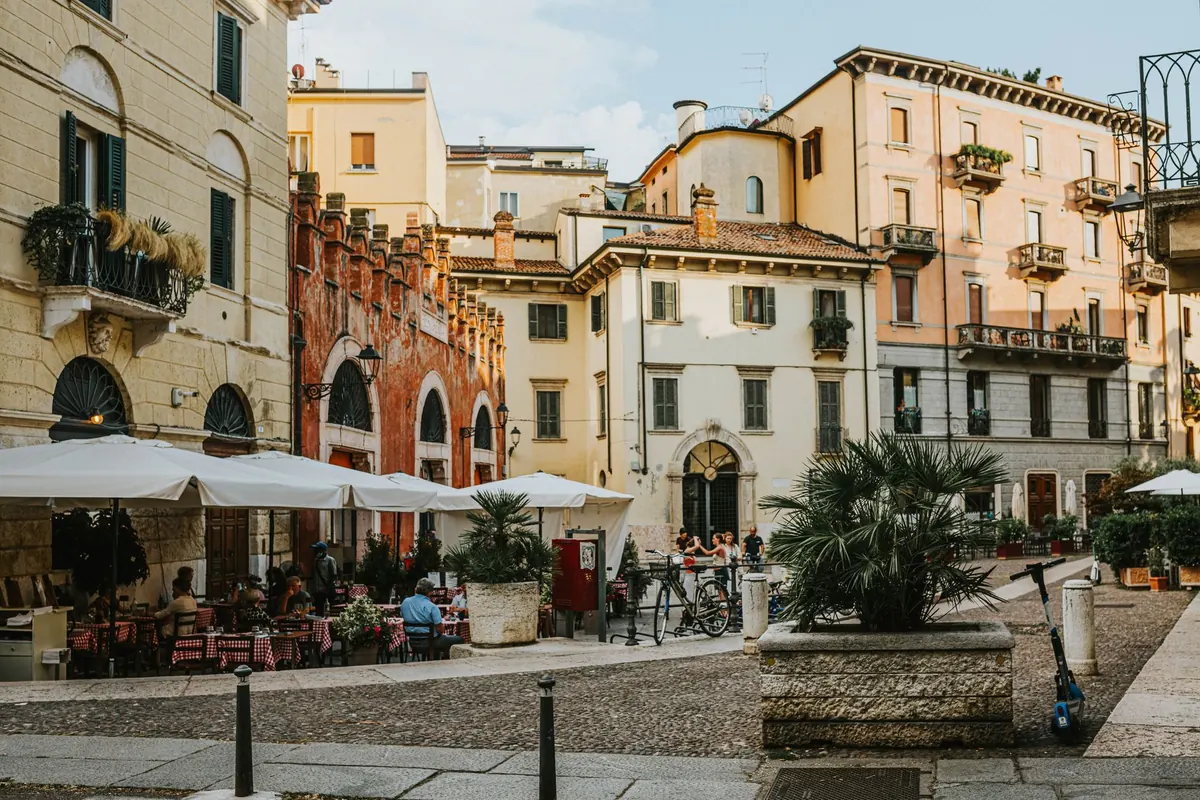
There is a particular silence in an Italian town in the second week of August. It is not the silence of a place asleep, but the sound of a place that has decided, collectively and without consulting you, to take a break. The bakery has a handwritten note taped to the shutter. The bus that usually stops outside the station now stops somewhere else, or not at all. And then, by eight in the evening, the same town is full of trestle tables, a sound system and several hundred people eating under the plane trees. August in Italy is not one thing. It is a fortnight of closures, festivals, heat and improvisation, and it helps a great deal to know which is which.
Reading the "chiuso per ferie" sign
The sign is usually taped at eye level and written in marker. It says chiuso per ferie — closed for holidays — and then two dates, sometimes with an arrow and a correction because the plan changed. A small family shop might close for ten days; a workshop or a family-run restaurant might vanish for three weeks. August is when Italian small business does what the rest of the year forbids, and the town adjusts around it.
Chiuso per ferie dal 6 al 24 agosto. Riapriamo il 25.
What actually closes is not random. Expect butchers, greengrocers, hardware shops, hairdressers, dry cleaners, independent bookshops, cobblers and many family trattorias to be shut, often staggered so that the town is patchy rather than empty. Supermarkets and chains usually stay open, sometimes with shorter hours and thinner shelves. In a small centre, the difference between a Tuesday and a Wednesday can be one shop with a sign and one without.
Two habits make this manageable. First, in late July, photograph the signs on the shops you rely on — the dates are the only reliable information you will get. Second, assume nothing carries over from yesterday. A phone call, or a look at the shop's own social page, is worth more than an app listing that was last updated in spring.
Ferragosto: the hinge of the month
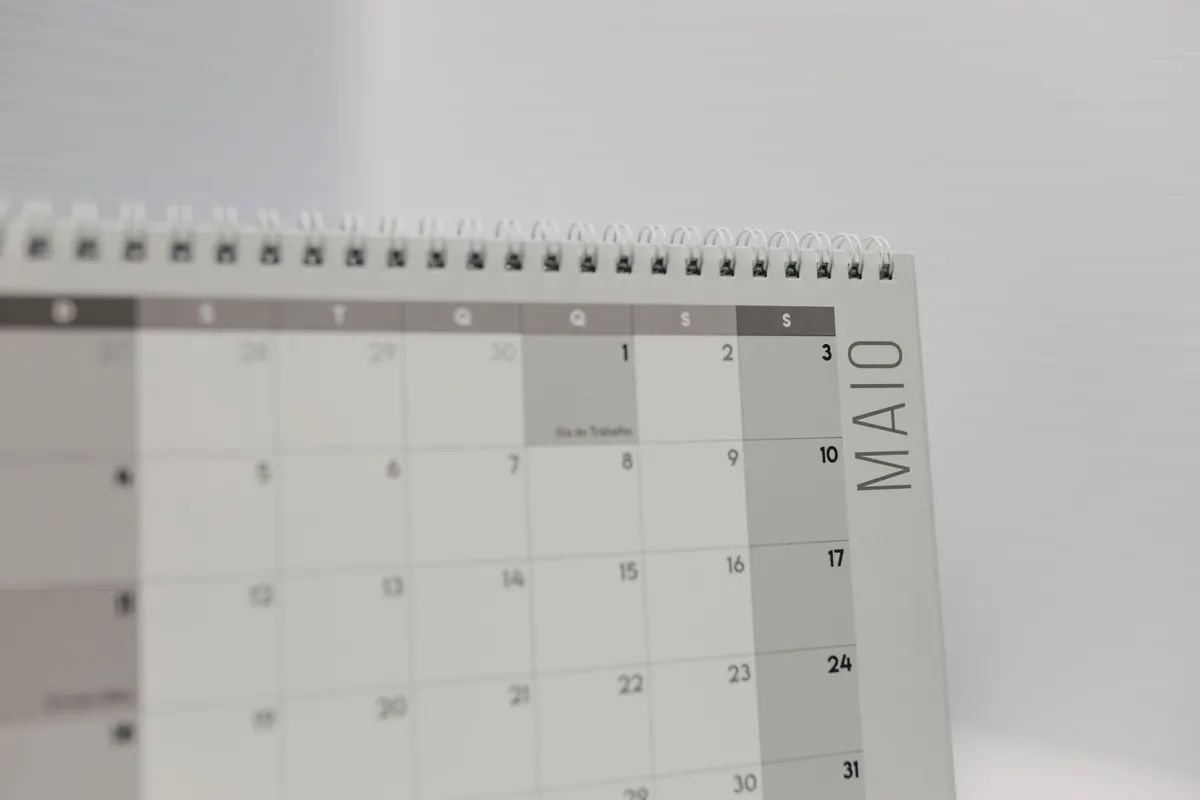
Everything in August turns around 15 August, Ferragosto, a public holiday with roots in the Roman Feriae Augusti and, in the Catholic calendar, the Assumption. It is the day when closures cluster: the fortnight before and the week after are the emptiest. On the day itself, supermarkets are often shut or open only in the morning, many restaurants are open but booked, and beaches and mountain resorts are at their busiest.
Treat 14 August as a preparation day. Buy food, fill the car, collect any prescription you might need by the 13th, and do not plan to resolve anything administrative between the 14th and the 17th. The evening of the 14th is a big one in much of the south, with long dinners that run past midnight; in the north, the holiday is more often spent at the sea or in the hills. Wherever you are, check opening hours for museums and sites on the day itself rather than trusting a general listing.
Sagre, patron saint festivals and what they do to a town
The flip side of the closures is the festival season. A sagra is a local food festival, usually run by volunteers, usually in the evening, usually in a field, a car park or a piazza strung with lights. There is one dish at the centre of it — porchetta, snails, ciauscolo, a kind of stuffed pasta, whatever the town is known for — and long communal tables. Patron saint festivals add processions, marching bands and fireworks that start late and echo off the stone.
- Go early. Tables and parking fill from about 19:30; arriving at 21:00 usually means queuing.
- Bring cash. Some sagre take cards, many do not, and a few sell tokens that you then exchange for food.
- Expect to share. You may be seated next to a family who will ask where you are from, and mean it kindly.
- Check the menu. Vegetarian options exist but are rarely the point of the evening.
- Note the noise. Fireworks at midnight or later are normal in August; light sleepers should plan accordingly.
Practical side effects matter too. Streets around the piazza close to traffic, the square loses its parking for a week, and the centre can be loud until one in the morning. Siena's Palio on 16 August is the extreme example of how much a single festival can reorganise a city.
Getting around on the summer timetable
From roughly mid-June to mid-September, many local transport operators switch to an orario estivo, the summer timetable. That often means fewer runs, a gap in the middle of the day, and school routes that simply stop existing. Regional trains generally keep running, but summer engineering works are common on some lines, so a journey that worked in May may involve a replacement bus in August.
Ferries to the islands usually add departures in high season, but the popular crossings sell out days ahead, especially around Ferragosto. Long-distance roads are heaviest on the weekends either side of the 15th; if you can travel on a Tuesday, do. Beach car parks fill by mid-morning, and taxis and private hire cars are scarce — book ahead or accept the walk. Check the operator's own website rather than an aggregator, and treat the paper timetable at the bus stop as a rumour until confirmed.
Where the services thin out
The closures that catch people are the ones you cannot see from the street: health, post, rubbish and water.
Health
Your GP may be on holiday, with a named substitute covering the practice; that name is usually posted at the surgery door or available from the local health authority. Pharmacies close in rotation, and every closed pharmacy must display the farmacia di turno — the one on duty — on its door. Out-of-hours cover exists in most areas, and in tourist zones it is used to August crowds.
Post, rubbish, water
Post offices often run reduced hours, with longer queues. Rubbish collection usually continues in cities but can shift in small towns, and the recycling centre may close for a week. In dry years, some municipalities restrict daytime use of tap water for gardens and pools, and public fountains may be switched off. Look for a notice on the town hall website or the noticeboard by the municipal office; that is where these decisions appear first.
For anything involving your health, a contract, a tenancy or a residence permit, ask the relevant office or a qualified professional directly rather than relying on a neighbour's account of how it worked last year.
The daily rhythm shifts, and so should yours
Heat rewrites the day. Between about 13:00 and 16:00 the centre is genuinely quiet: shutters down, streets empty, the odd dog. Shops may keep a midday closure or, in tourist areas, move to late opening and evening hours instead. Dinner starts at 19:30 or 20:00 in the north, later in the south, and the piazza is at its best after 21:00.
Drink more water than you think you need, use the public fountains, and keep a hat within reach. If you feel dizzy or unwell in the heat, treat it seriously and seek medical help rather than pressing on with the day's plan.
A short August checklist
- Photograph the closure signs in late July and note reopening dates.
- Shop for the 14th and 15th two days early.
- Confirm your bus, train or ferry on the operator's site a day ahead.
- Save the name of the substitute doctor and the nearest farmacia di turno.
- Carry cash for sagre, small bars and market stalls.
- Ask at the town hall about water restrictions and rubbish changes if you are staying a while.
None of this is complicated, but all of it rewards ten minutes of preparation. August in an Italian town is not a month of nothing happening. It is a month when the ordinary machinery pauses and something older and louder takes its place, and the people who enjoy it most are the ones who checked the sign on the door first.